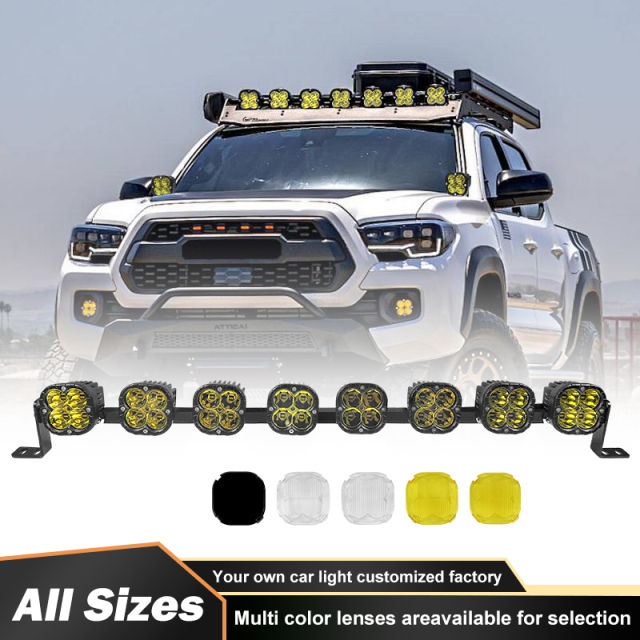
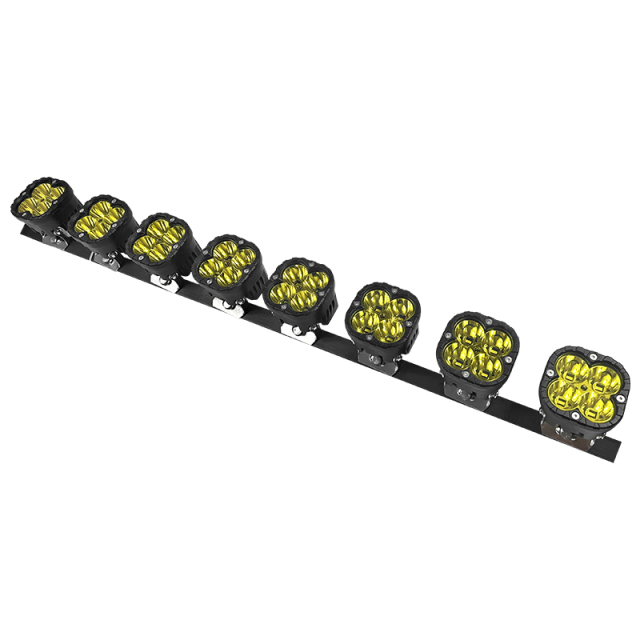
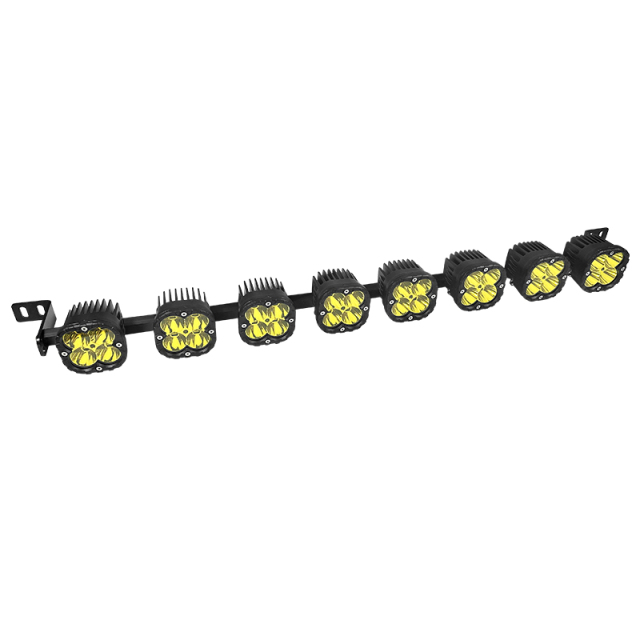
Product Overview
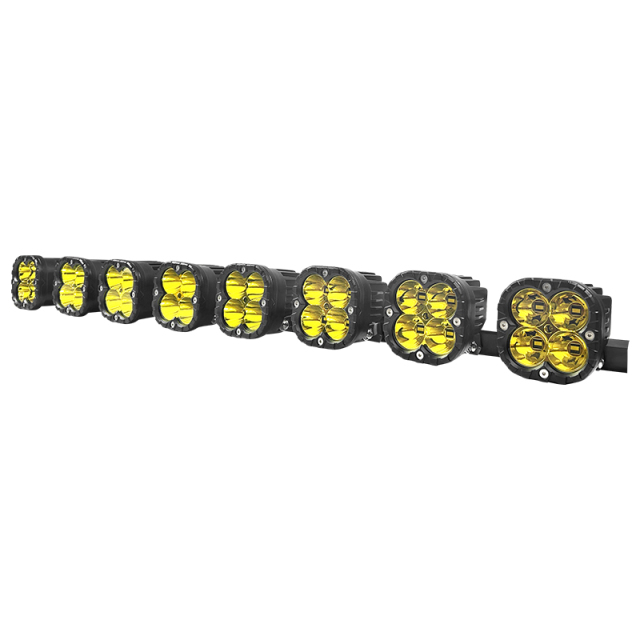
No factory headlight or fog lamp is built for a mountain pass at midnight. Because each pod has its own feed and its own lens cover, one bar can mix colours and beam patterns along its length. Mount the finished assembly on the roof, the front bumper or the upper beam, set the angle at the joints, and the bar is ready for the dark. We build this off road led light bar for fleet operators, vehicle builders and lighting integrators who want one hardware family across many vehicles, and for distributors who would rather stock cubes and hinges than a wall of fixed lengths. Dual white and yellow LED options let the same setup adapt to different weather and visibility conditions, while selective activation helps reduce unnecessary power draw and driver fatigue. - Service at pod level. A damaged cube comes out at the hinge and one replacement goes in; the brackets, the wiring and the rest of the bar stay on the vehicle. - Stock that keeps selling. For off road led light bar suppliers and accessory shops, holding cubes, hinges and brackets means the bar is assembled for whichever vehicle is in front of you, instead of a shelf of lengths that may never move. - Upgradeable after the sale. A customer who adds a roof rack or moves to a larger vehicle extends the existing bar rather than buying a new one. - Two output colours on one assembly. White and yellow cubes can share a bar, so clear nights and thick fog are both covered without a second lamp on the vehicle. - A repeatable installation. Every pod uses the same joint, the same bracket pattern and the same fastener set, so an installer who has built one bar can build the next in the same order. - Add or remove a cube later. A bar bought for a two-door can grow when the vehicle does, using the same hinge and the same pod. - Colour and pattern per pod. Each position on the bar can carry its own lens colour and beam cover, which is how one assembly ends up doing several jobs. - Vehicle types. Trucks, SUVs, UTVs, ATVs, vans and service bodies take the same hardware, so a led light bar for atv use is not a separate product line; only the bracket position and the bar length change. - Fleet standardisation. A workshop can hold one pod, one hinge and one bracket and still build the right bar for every vehicle in a mixed fleet. As led light bar manufacturers we keep those parts common across the range for exactly that reason. - Distribution-friendly. Distributors and off road led light bar suppliers stock the cubes and assemble the bar at the counter for whatever vehicle arrives, rather than carrying a fixed length for every model on the lot.
Hinge & Bolt Structure
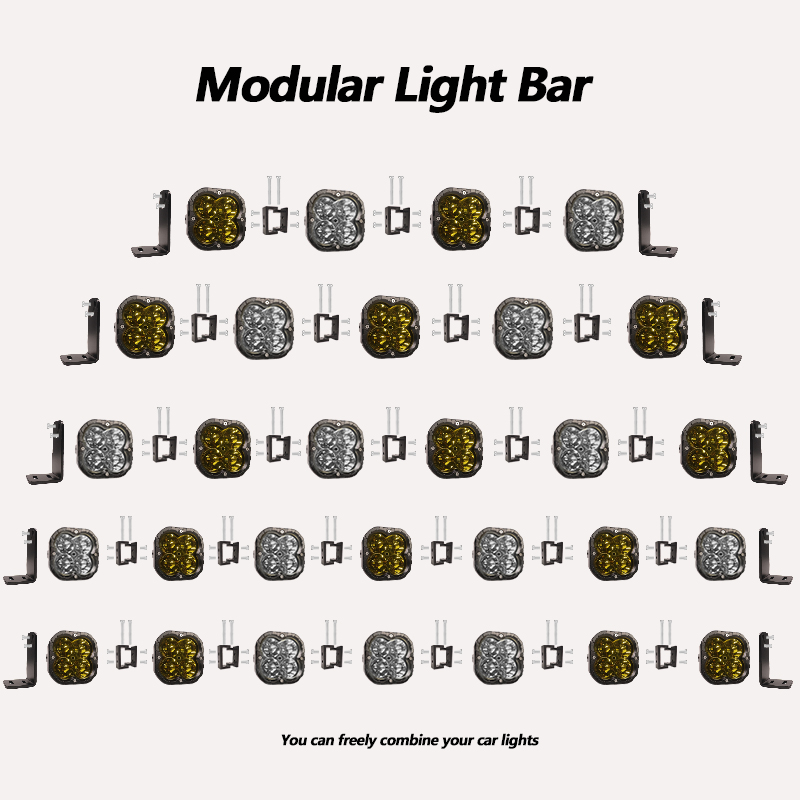
A cube on its own is a work light. What turns it into a bar is the joint: a stainless steel hinge and bolt at each end of every pod, tightened to lock both the angle and the spacing. Loosen two bolts and the shape of the bar changes; tighten them and the assembly behaves like one rigid housing, even when the sections are set at an angle to follow a curved roof.
The housing is die-cast aluminium rather than folded steel or moulded plastic. That choice does three jobs at once: the cast body carries heat away from the LED board, the wall thickness holds its shape under vibration, and the surface resists corrosion on wet, coastal or salted winter roads. All screw accessories are stainless steel, including the ones buried inside the joint, so the fasteners still come apart after a season of road salt.
Length is set by the number of cubes and the angle by the hinge, so a non-standard bar width does not need new tooling. As led light bar manufacturers we build one pod to a single standard and configure it at assembly, which is why off road led light bar suppliers can order a bar matched to a particular roof width and still receive it as a set of production parts rather than a one-off.
Durability & Sealing
Off-road lighting fails in ordinary ways: water creeps past a gasket, condensation forms inside a lens, a fastener rusts solid, or heat cooks the board behind the LED. This bar is built against each of those.
The housing is die-cast aluminium with the fins cast into the body, so the case itself is the heat sink and the LED board runs at a steady temperature instead of climbing through a long night.
Sealing is rated IP67 as standard and the housing carries a pressure equalisation vent: as the lamp heats and cools, air passes through the vent membrane instead of pulling moisture past the seals, which is the usual cause of fogging behind a lens. The sealed housing is rated IP67K in this configuration. For pressure-wash routines or deep water crossings we build IP68 and IP69K versions to order — tell us how the vehicle is washed and we will specify the right one.
Every screw accessory is stainless steel, hinge bolts included, so the assembly still comes apart after a winter of salted roads. On a led light bar for atv use the mounting takes a harder beating than the lamp itself: constant vibration on washboard ground works fasteners loose, which is why the joint is bolted metal rather than clipped plastic and why bracket fixings are checked as part of installation.
Vehicle Integration & Safety
- Mounting into what is already there. Brackets fix to roof, bumper and upper-beam points; the hinge sets the angle afterwards, so the bar follows the body line instead of fighting it.
- Electrical fit. The bar runs on 12V–24V, so a workshop fitting a 12v led light bar to a truck, a van or a 24V commercial chassis works from one part number instead of two.
- Bad-weather visibility. The point of the extra light on an offroad led light bar is the fog, rain and snow case, where factory lamps put a bright patch on the road and nothing at the edges.
- Sectors already using it. Agriculture, emergency services and construction are where the modular approach earns its keep, because each vehicle class wants a different bar length and a different mounting height.
- Legal deployment. The bar is ECE and DOT compliant, which is what lets a fleet standardise across jurisdictions; what your own market requires for a specific vehicle is yours to confirm, and we supply the compliance documentation we hold.
- Tactical, commercial and recreational builds all run the same cubes, so a builder can carry one lighting system through an entire model range.
- The linkable cube uses a hinge-and-bolt arrangement so modules can be combined into different layouts. Its die-cast aluminum enclosure is chosen for corrosion resistance and heat management, and stainless steel accessories add strength for high-vibration or off-road use.
Mounting & Wiring Steps
- Choose the pod count and bar length against the mounting position, then dry-fit the brackets to the roof, bumper or upper beam before assembling anything.
- Bolt the cubes together with the stainless hinge and set the angle along the bar, tightening each joint once the shape follows the body line.
- Lift the assembled bar onto the brackets and fix it with the fasteners supplied, checking that no pod sits where a wiper, aerial or other lamp will foul it.
- Run a fused feed from the vehicle's 12V–24V supply to each pod input, keeping polarity consistent and grouping the feeds per switch or per zone; a 12v led light bar of this type needs no additional controller.
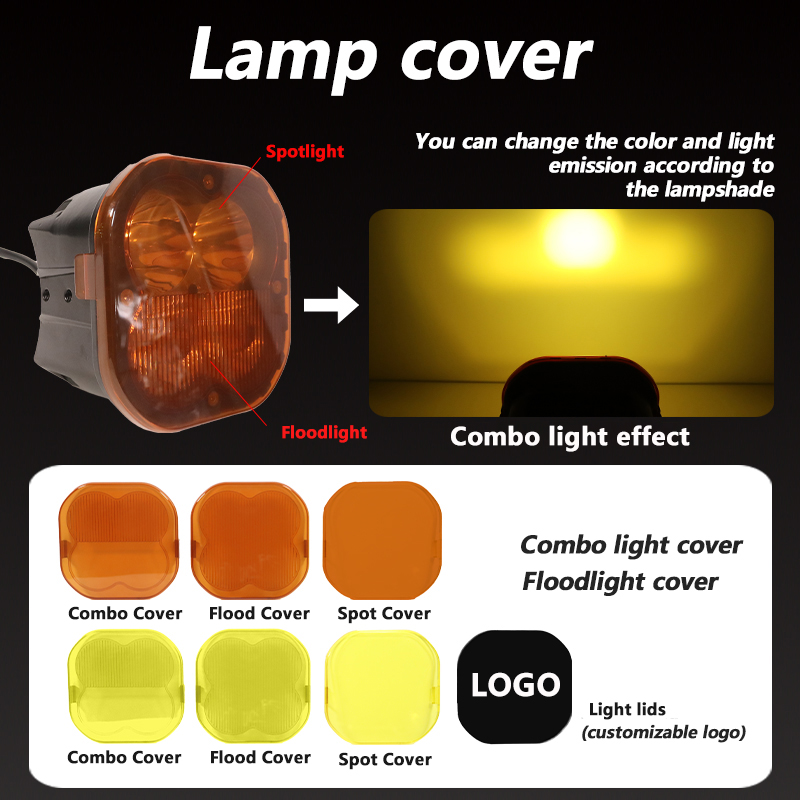
- Fit the lens covers — spot, flood or combo — in the positions that suit the terrain, and note which cover sits where so later swaps are quick.
- Test after dark on level ground, aim the bar so the pattern sits below the horizon, then re-check the hinge bolts and bracket fixings after the first run.
- - One feed per cube. Every pod has its own separate input, so the electrical layout follows the switching plan instead of being fixed by the housing.
- Selective activation. Run four of six cubes on a quiet trail and bring the remaining two in when the terrain opens up; unused pods draw nothing.
- Load management. Fewer active pods means a lower current draw on the vehicle, which matters on older charging systems and on vehicles already running several accessories.
- Fault isolation. A stone through one lens or a damaged cable takes that pod out of service, not the whole bar — the rest keeps working until the replacement goes on.
- Mixed schemes. White in the middle and yellow at the ends, or spots and floods on separate switches, are both straightforward when each cube is controlled on its own.
- Wiring that stays simple. Every pod draws from the vehicle's own supply, so a 12v led light bar build needs nothing more elaborate than a fused line and a switch or switch panel per pod or per zone.
Use Scenarios
- Desert and mountain night runs. A long offroad led light bar across the roof throws light far enough down the track to read the surface at speed, while the outer cubes cover the shoulders where animals step out.
- Overlanding and camp. Park, angle the bar down, and the same cubes light the ground around the vehicle for cooking and repairs without unpacking a second lamp.
- ATV and UTV trails. A short bar on the front rack or the cage takes the vibration and the mud; a led light bar for atv use is usually built with fewer cubes so the weight stays off the bars.
- Farm and ranch work. Feeding, fencing and machinery checks after dark, where the light has to reach a gate or an implement rather than a road.
- Roadside and job sites. Breakdowns, tyre changes and equipment loading, with the bar aimed at the work instead of down the road.
- Commercial night hauling. Depot manoeuvring, trailer checks and yard work, where several different drivers will use the same led light bars for trucks through the week and the setup has to stay predictable.
- Past the last street light, the vehicle's own lamps stop being enough. A dipped beam puts a bright patch a short way out and nothing beyond the edges, and on a mountain track the edges are the part that matters. That is the case this off road led light bar is built for: an assembly long enough to light the width of the trail and aimed far enough ahead to read the next bend. Terrain changes what the bar should do. On slow technical ground the useful setup is a wide flood pattern close to the vehicle, because the driver needs to see the rocks beside the tyres. On a fast desert track the same vehicle wants spots down the middle with the pattern pushed well ahead. Because each cube carries its own cover and its own angle at the hinge, one bar is re-set between those two jobs at the start of a run instead of being rebuilt. Mounting height changes the result as much as the pattern does. A roof bar throws further and clears the crest of a rise; a bumper mount puts light under overhanging branches and into hollows the roof bar skips over. Many builds use both, with the roof bar for reach and the bumper cubes for the immediate ground. Anyone who has priced a led light bar for atv or trail use knows the failure that matters is not the first night but the fiftieth: joints that have loosened, a lens that has fogged, a pod that has stopped. Stainless hardware, a vented sealed housing and pod-level replacement are what keep the bar usable season after season.
Technical Specifications
The light bar is designed to improve visibility at night and in fog, rain or snow, and its modular layout can be adapted to tactical, commercial and recreational vehicles. It integrates with existing electrical and mounting systems and can be specified for agriculture, emergency service and construction use.
| Property | Value |
|---|
| Wattage per cube | 80 W |
| Output per cube | 3,500 lm |
| System output | 36,000 lm |
| Colour temperature | 6000K white / 6000K yellow |
| Input voltage | 12V–24V DC |
| Beam pattern | Spot as standard; spot, flood and combo lens covers available |
| Housing | Black die-cast aluminium |
| Joint and fasteners | Stainless steel hinge, bolts and screws |
| Sealing | IP67 standard; IP68 and IP69K to order |
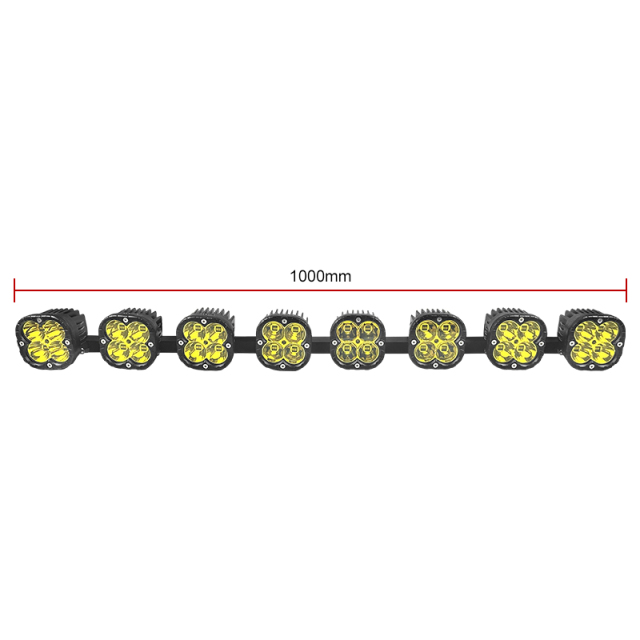
| Bar lengths | 40 in and 50 in |
| Cube options | 4, 5, 6, 7, 8 or 9 per bar |
| Mounting positions | Roof, front bumper, upper beam, front right |
| Customization | Bar length, LED colour, logo, packaging |
Light Features
- Spot cover. A tight centre cone with long reach — the cover for fast open tracks and for picking up markers well ahead of the bumper.
- Flood cover. A wide, even wash of light with a short throw — the cover for slow technical ground, camp perimeters and work around the vehicle.
- Combo cover. A spot core inside a flood surround, so the near ground and the distance are lit from the same cube.
- Covers change over in minutes. Each cover fits onto its own pod; nothing else on the bar comes apart, so one set of covers turns the vehicle into a different lighting setup for the season.
- Mixed patterns along one bar. Because every cube is a separate unit, a six-cube bar can run four spots and two floods, or carry a flood at each outer end for width with spots in the middle.
- Beam width follows the build. A short bar concentrates its output into a compact patch, a long bar spreads the same pattern across a wider field. Both run from the same 12v led light bar feed, so the pattern is matched to the terrain without changing the electrical spec.
White & Yellow Light Output
Anyone who has driven an offroad led light bar into thick fog knows the problem: white light leaves the lens and comes straight back at the driver. That is the case the second colour is for.
White 6000K does the everyday work. It shows road edges, gravel, ruts and obstacles in clear, dry conditions, and it keeps colours close to natural so a driver can judge distance and surface. Yellow 6000K is the wet-weather and dust answer — it carries through fog, heavy rain, snow and the fine dust that hangs over a convoy on a dry track, where white light scatters.
Both are rated at 6000K and both are supplied in the same cube, so the choice is made per pod rather than per bar. Run white across the middle for reach and yellow at the outer ends for the shoulders, and one assembly covers a clear night and a foggy morning without swapping lamps.
The lens cover decides the colour as well as the pattern. Fitting a yellow cover over a white pod shifts the output for the conditions in front of you and takes seconds; the same covers are available in clear. If your market or your customers have a fixed preference, the colour is set when the bar is built, and mixed builds are routine for us.
Ordering & Delivery
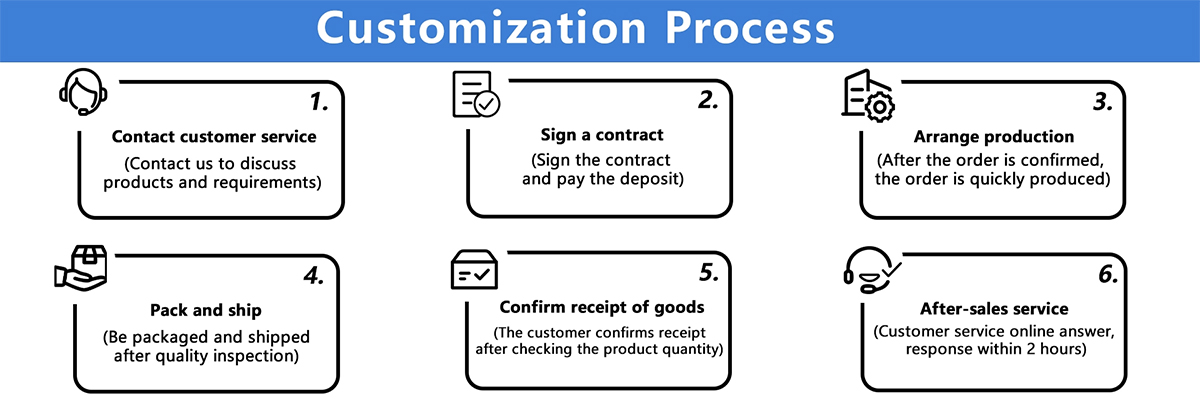
Standard bars — the two fixed lengths, four to nine cubes — move fastest. Tell us the vehicle, the mounting position and the pod count, and confirm three things before the order goes into production: the colour split across the bar (white, yellow or both), the cover mix (spot, flood or combo, and in which positions), and whether you need the IP68 or IP69K build rather than standard IP67.
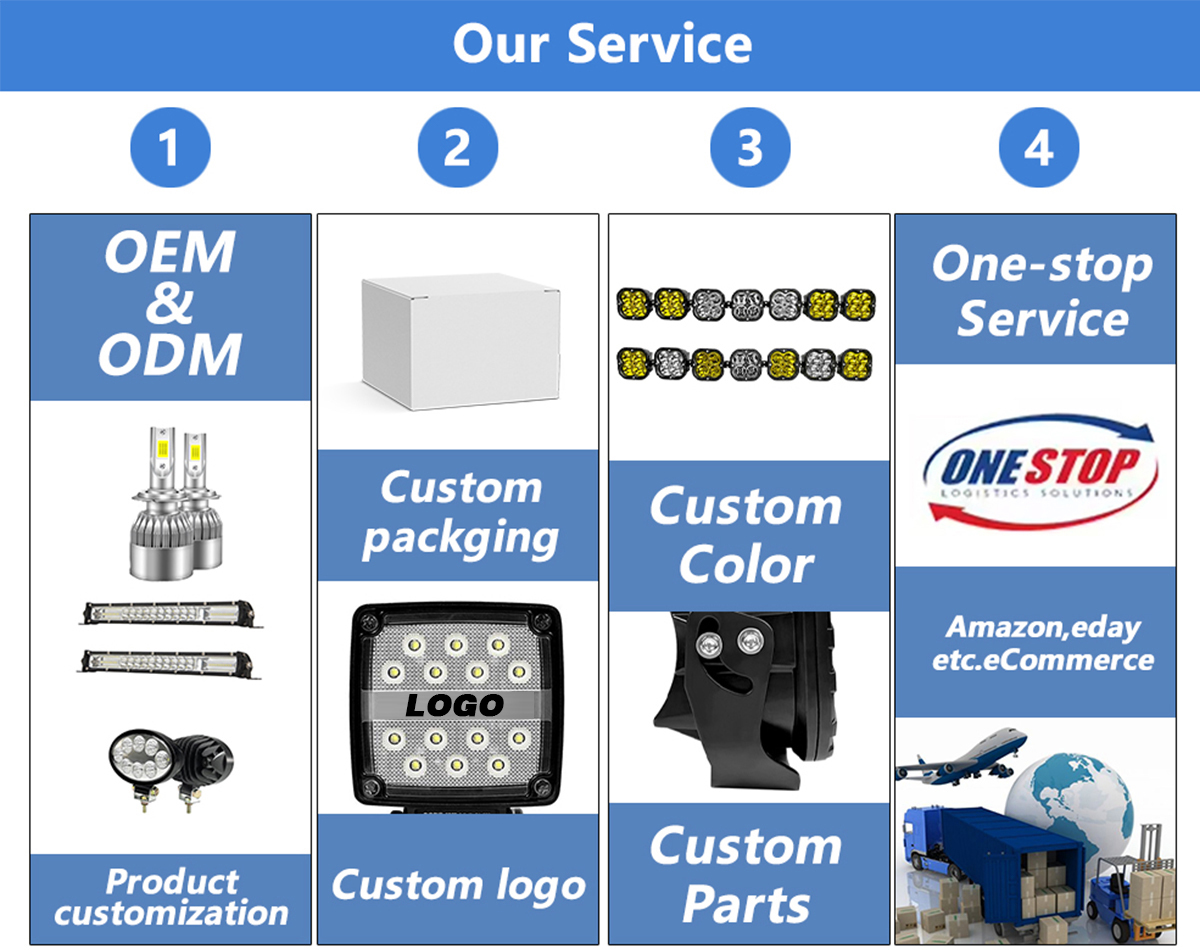
Logo lids and packaging are made to order, so they need artwork and a confirmed specification before production starts. Accessory shops, upfitters and off road led light bar suppliers often combine a stock order with a private-label run, and the two follow different schedules; ask your sales contact for the current custom lead time and about sample availability. Stock configurations ship with 7-day fast shipping.
Each kit is boxed with its brackets and the fasteners needed for assembly. If the bar is going onto an unusual roof line or a non-standard rack, send the mounting dimensions with the order and we will confirm the bracket arrangement before the bar is built.
- Emergency and commercial vehicles. The same cubes go onto a service truck, a utility body and an emergency vehicle; only the bar length and the bracket position are specified per unit. - Arrays built per workflow. A depot shunter needs light around the vehicle; a highway unit needs reach. Both are built from the same pods, so the stores department carries one line of spares. - Less retrofitting time. Fitting a new vehicle means building the bar to that vehicle from stock parts rather than waiting for a model-specific housing. - Servicing in the field. A pod swap is a hinge-and-bolt job a workshop can complete between shifts, and the vehicle goes back out with the rest of the bar untouched. - Handover consistency. Drivers moving between vehicles find the same switch layout and the same light pattern, which shortens handover and reduces the chance of an unfamiliar setup being used badly. - Supplied by the factory. We are the led light bar manufacturers behind this system, so a bar specified this year can be repeated next year from the same tooling. - One part number across mixed fleets. Fleets, upfitters and distributors of led light bars for trucks order from us directly, which keeps the specification stable from one delivery to the next.
Scale & Supply Capability
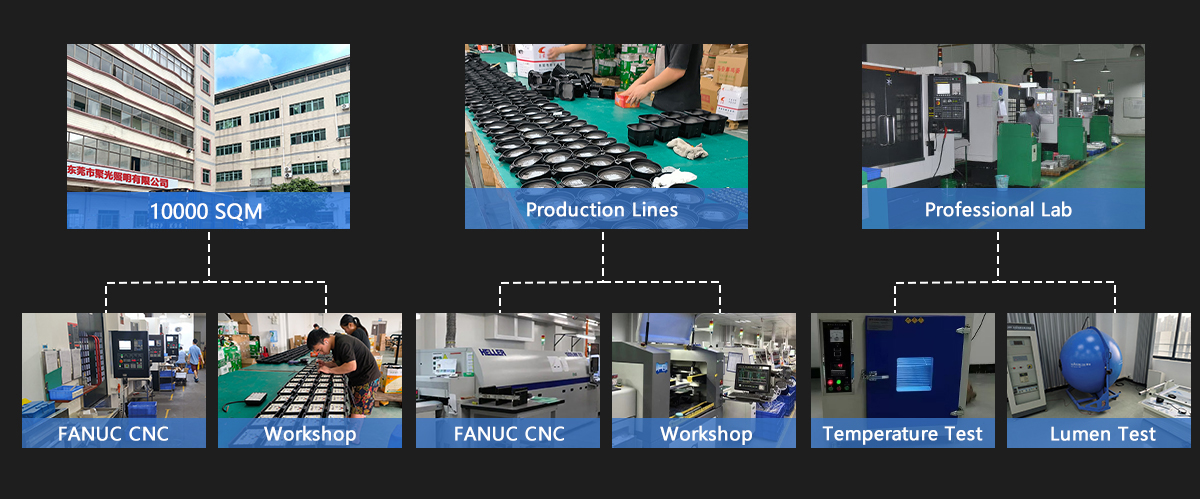
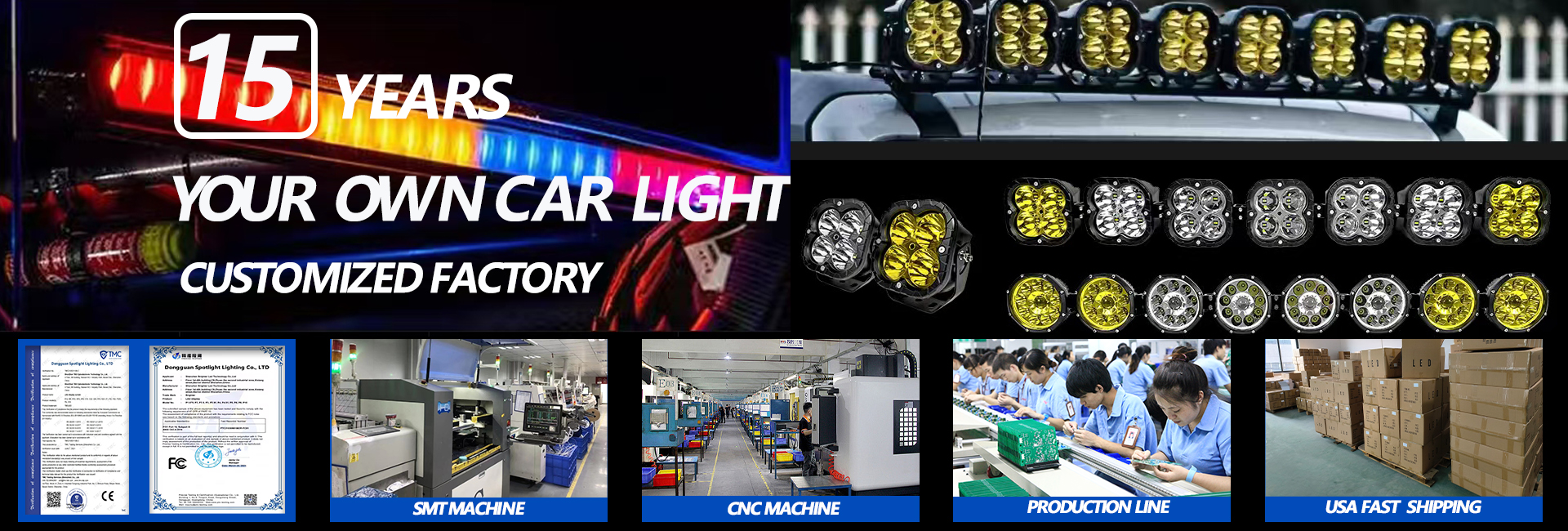
JOPOWER is the brand of our own factory in Dongguan, China, founded in 2010 and run by a team of 20–30 people with 15 years of vehicle lighting production behind them. We add 5–10 new styles every month, hold EU, CE, RoHS and US DOT certification, and put every unit through three full inspections before it leaves us. Because the designs are developed in-house, we can tailor specification, style, size, color, logo and packaging, and items in stock ship in as little as 7 days.
FAQ
Can I customize the size or colour of the JOPOWER Cube Driving Linkable LED Light Bars?
Yes. Bar length is set by the number of cubes, so each standard length is built with the pod count that matches your roof or bumper width, and LED colour is chosen per pod — white 6000K, yellow 6000K, or a mix along the bar. Logo lids on the housing and branded packaging are available on made-to-order runs. Tell us the vehicle and mounting position and we will confirm the configuration before production.
What materials are used in the construction of the bar?
The housing is black die-cast aluminium, which gives the LED board a metal heat path and resists corrosion on wet or salted roads. The joint between cubes is a stainless steel hinge and bolt, and all screw accessories are stainless steel too, so the assembly still comes apart after a winter of use. Lens covers are separate parts and can be changed without dismantling the bar.
How do I install the linkable bar on my vehicle?
Bolt the cubes together through the stainless hinge, set the angle along the bar, then mount the assembly on its brackets at the roof, bumper or upper beam. Each pod takes its own feed from a 12V–24V supply, and the kit includes the fasteners needed for assembly, so no separate hardware order is required. Aim the bar after dark on level ground and re-check fixings after the first run.
What certifications and testing support these bars?
The bar is ECE and DOT compliant and is produced to CE and RoHS requirements, with every unit inspected before it leaves the plant. We supply the compliance documentation we hold for your files. What a specific vehicle is allowed to run in your own market is something to confirm locally, since road rules differ by country and by vehicle class.
Do I need a separate switch for every pod?
Not necessarily — pods can be grouped into zones on one switch, or run individually where the driver wants fine control. The rule that matters is electrical: each pod has its own input, so every feed needs its own fused line back to the supply, and the switch count follows how you want the bar to behave at night rather than the number of cubes.
Can white and yellow cubes share one bar?
Yes, and mixed builds are common. Colour is assigned per pod, so white can sit in the middle for reach with yellow at the outer ends for the shoulders. Mixed colours on an offroad led light bar are usually chosen by buyers working in changeable weather, and the covers let you shift a pod's colour later without replacing it.
Should I order the 40 in or the 50 in bar?
Choose against the mounting width first and the terrain second. The shorter bar suits narrower roofs, bumper mounts and ATV or UTV cages; the longer one carries more cubes and spreads the pattern wider, which is what a full-size truck wants when the shoulders matter. On a full-size truck an off road led light bar that runs close to the roof width reads better at the edges than a short bar turned up.
Can the bar handle pressure washing and deep water?
Standard builds are IP67 with a pressure equalisation vent, which covers rain, mud, dust and normal washing. If your routine includes high-pressure jets close to the lens, or the vehicle fords deep water, order the IP68 or IP69K version and tell us how the vehicle is washed so we specify the right build.