
Capability
Can this vendor build the lamp, or only resell it? Machining, assembly, optics and tooling come before price.
Output: shortlist or drop.
Shortlisting a vendor is a gated process, not a brochure read. This workspace runs four stages — capability, compliance, program fit and cost — against any off road led lights manufacturer you already buy from, and against any led driving lights supplier pitching a private-label program for 4x4, UTV, truck or marine lines. Score each candidate on the same ten checks, then send a request for quote that already carries the answers.
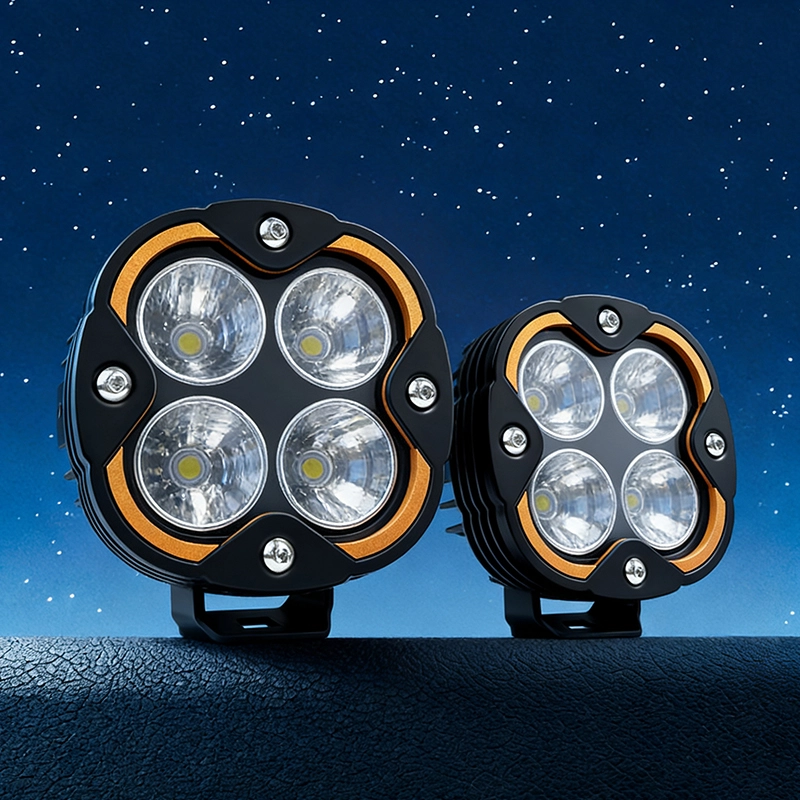
Run the stages in order. Skipping to cost before capability is how a cheap first order becomes an expensive second one.
Can this vendor build the lamp, or only resell it? Machining, assembly, optics and tooling come before price.
Output: shortlist or drop.
Which certificate set, wiring convention and carton labelling does your destination market need? Request files, not badges.
Output: can this ship to my market?
Beam mix, cover colours, branding and carton marking: does the range actually fill a dealer or workshop shelf?
Output: does it fit my line?
Housing grade, lens material, thermal path and driver design set unit cost — and the failure rate after year one.
Output: is the price honest?
Before you score anything, spend twenty minutes reading what the vendor answers and how the sample arrives. Both reveal more than the catalogue page.
Rule of thumb: a trader can pass on price but rarely on tooling depth.
Run all ten checks against every vendor on the shortlist. Mark each one Pass, Fail or Ask again — "Ask again" is a legitimate state, not a courtesy.
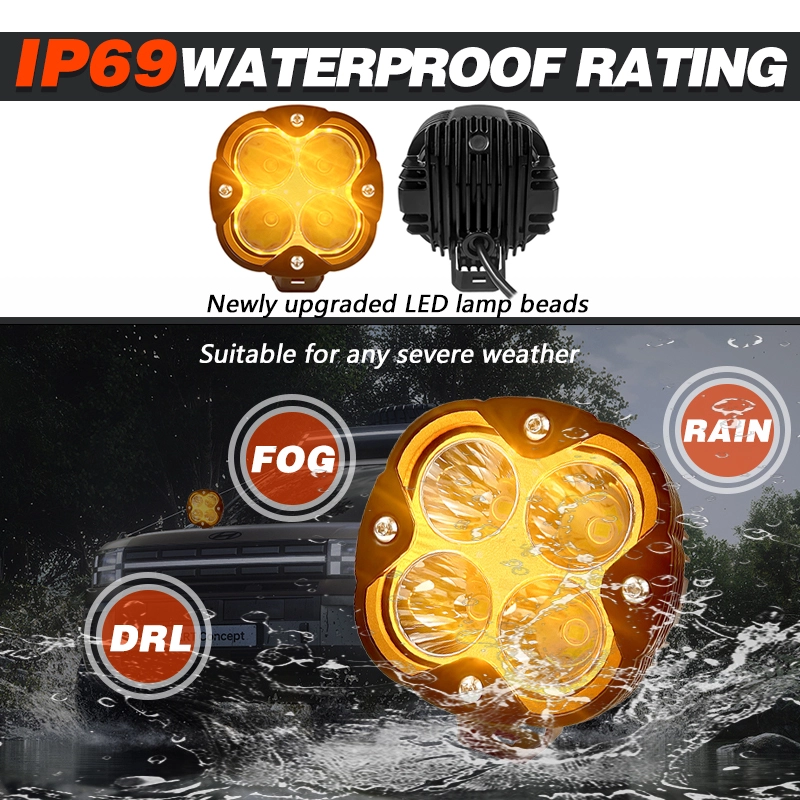
The 5-inch lamp is listed at IP68 with a -40–120℃ working range. Ask for the test document that names that exact model and date.
Fail pattern The word "waterproof" appears on the listing, but no file names the model.
Heat leaves through a copper substrate, an aluminum lamp cup and a finned alloy casing. Ask for the material callouts behind each one.
Fail pattern A flat-back housing with no finning and no material detail.
A stable current design holds brightness as supply voltage moves across 12–36V and keeps switching noise out of radios and instruments. Ask how the driver is screened.
Fail pattern The only answer is "it's LED" — no driver explanation at all.
The bracket and fasteners are stainless steel on this lamp. Ask for the grade in writing, because the mount outlives the electronics.
Fail pattern Bracket material is not stated, or mixed metals are used without isolation.
The lens is polycarbonate, chosen to take stone chips and branch strikes. Ask for the material and thickness statement.
Fail pattern Lens described only as "high transparency" with no material named.
Ask how one sample ships: retail box, foam, accessory bag, wiring diagram. That is the same pack your pallet will use.
Fail pattern The lamp arrives rattling in a bag with the bracket loose.
Keep the approved sample. Compare the production unit against it on lens, bracket, branding and beam pattern — not on the invoice description.
Fail pattern Branding is applied correctly but hardware and beam have drifted.
Certificate PDF, wiring diagram and spec sheet must be able to travel with the shipment, not arrive by email three weeks later.
Fail pattern Documents are promised after payment clears.
Ask for the covered period, what is excluded, and who pays return freight on a failed unit.
Fail pattern A verbal assurance with nothing attached to the quotation.
Send three specific questions — the 12–36V input range, the 3.15 in housing depth, the four cover colour options — and time the reply.
Fail pattern Sales answers within the hour; the engineering questions never come back.
Compliance is a document request, not a logo on a product photo. Use this grid to tell each vendor exactly which paperwork your market needs before the quotation is written.
| Destination | Certification set to request | Plug / wiring convention | Carton & label conventions | Documents that travel with the shipment |
|---|---|---|---|---|
| European Union | Ask which certificate set your importer requires for the exact model, and request the PDF. | Confirm the 12–36V input against the vehicle system and request the harness drawing. | Model and variant code on the retail carton, plus the language panel your importer needs. | Certificate PDF, wiring diagram, spec sheet. |
| United Kingdom | Ask which UK marking your importer accepts, and request the file for that model only. | Same harness drawing; confirm connector type before the order is placed. | UK address block and importer details on the outer carton. | Certificate PDF, wiring diagram, spec sheet. |
| North America | Ask for the electrical and photometric documentation your distributor requires for the model. | Confirm the harness and switch arrangement; the lamp is auxiliary and needs its own fused, relayed circuit. | Retail-ready carton with model code and warning text in position. | Document set plus installation note on the separate circuit. |
| Australia / New Zealand | Ask for the test documentation the relevant state or national regulator accepts. | Confirm 12V and 24V system coverage; the input range runs to 36V. | Dust-resistant carton sealing matters for the freight leg. | Document set, wiring diagram, mounting note. |
| Middle East | Ask for the certificate set your customs broker requires, per model. | Confirm high-ambient performance: the stated working range is -40–120℃. | Carton marking in the language accepted at the port of entry. | Certificate PDF and spec sheet in the carton. |
| Southeast Asia | Ask which certificate set applies to your import route, and request the PDF by model. | Confirm 24V truck and machine compatibility within the 12–36V input range. | Humidity-resistant inner packing and legible model labels. | Document set and wiring diagram. |
No certificate is claimed on this page. Request the PDF for the exact model and destination before you commit to a purchase order.
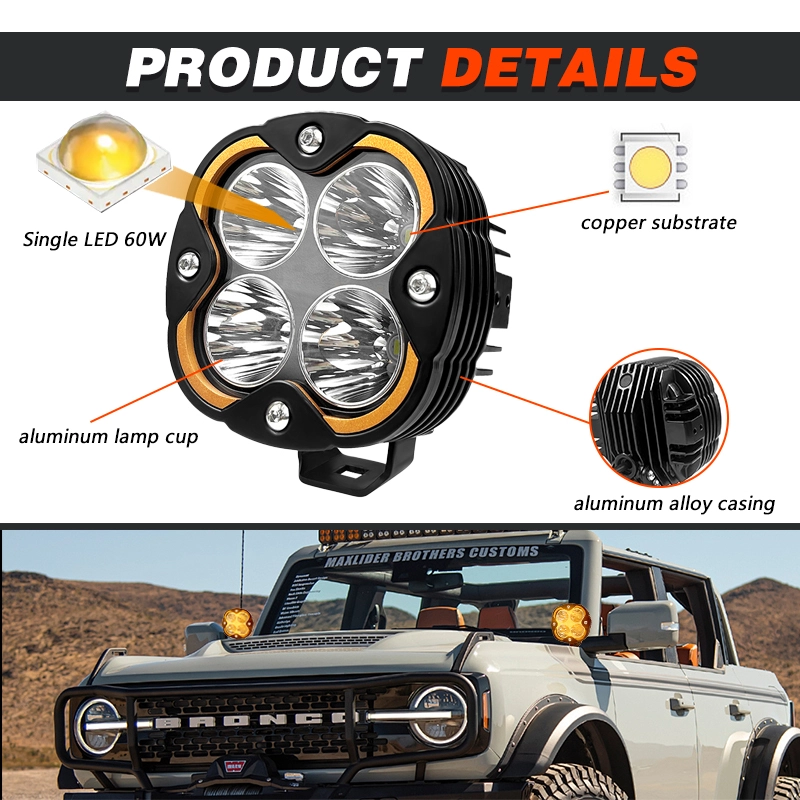
A scorecard is only useful if there is a real unit behind it. Use this 200W, 20,000-lumen, 5-inch auxiliary lamp as the reference build: aluminum housing with a finned alloy casing, copper substrate and aluminum lamp cup in the heat path, a polycarbonate lens, stainless steel bracket and fasteners, and a matte black finish with an orange accent ring.
It is auxiliary lighting rather than a headlamp, and the page recommends a separate fused, relayed and switched circuit. That single fact belongs in your RFQ — it tells the vendor you have read the installation requirement, not just the lumen number.
| Brand | JOPOWER |
|---|---|
| Material | Aluminum |
| Voltage | 12–36V |
| Lumens | 20,000LM |
| Size | 5 inch |
| Wattage | 200W |
| Waterproof rate | IP68 |
| Working temperature | -40–120℃ |
| Lifetime | 50,000H |
| Housing depth | About 3.15 in |
| Beam options | Spot, flood or combo lenses |
| Cover options | Four cover colours |
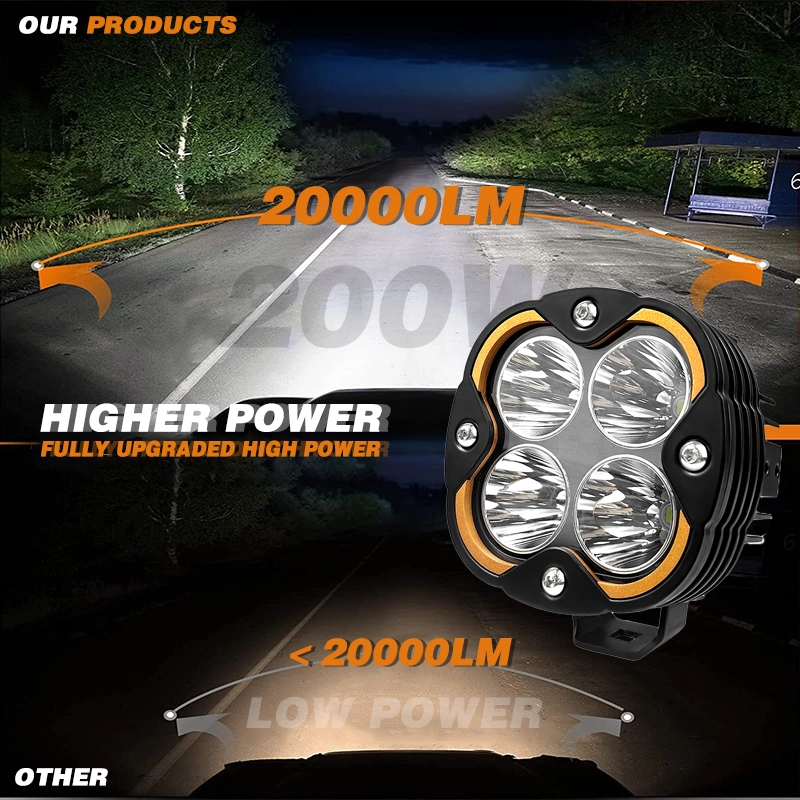
Stage three is where a dealer or workshop range either works or sits on the shelf. The reference lamp ships with spot, flood or combo lenses, so a single SKU family can cover trail, highway and work-site demand without three separate buying decisions.
Four cover colours let a buyer adapt the same lamp for fog, dust, rain and snow — useful when one distributor serves several climates. Branding, packaging and carton marking belong in the same conversation, because a private-label program that changes the beam mix but not the pack is only half a program.
When one quote is 40% below the others, the difference is usually in these five places — and it shows up in year two, not on the invoice.
A finned alloy casing costs more than a plain shell, and it is what keeps the LEDs inside their rated working range of -40–120℃.
The heat path runs copper substrate to aluminum lamp cup. Ask whether both are present — one without the other is a partial answer.
PC resists stone chips and branch strikes. A thinner or cheaper lens is the quietest cost cut in the whole build.
The stable current design holds brightness as voltage moves and reduces switching noise in radios and instruments. It is invisible until it is missing.
Stainless steel is the difference between a mount that survives four seasons of salt and grit and one that seizes in two.
Match the buying scenario to a build fact, then to the decision you actually have to make on the order.
The same 5-inch, 200W lamp covers six very different shelves. Read down the table, pick the scenario closest to your customer base, and put the matching beam and bracket decision straight into the RFQ.
Every row below is fixed by a specification from this build — beam options, cover colours, input range, housing depth or mounting hardware — not by a marketing claim.
| Buying scenario | Matching build fact | The decision it forces |
|---|---|---|
| Technical 4x4 trail and rock use | Combo lens available; polycarbonate lens for stone and branch strikes. | Make combo the default trail SKU and stock PC-lens units only. |
| Long-distance overland and highway | Spot lens for reach; 12–36V input covers 12V and 24V vehicles. | Split the range into spot and combo rather than flood only. |
| Boat, RIB and marine deck | IP68 rating; stainless steel bracket and fasteners. | Refuse any substitution of the bracket or fastener material. |
| ATV, UTV and site machinery | Compact housing about 3.15 in deep; finned casing needs air clearance. | Check mounting space and airflow before you approve the bracket. |
| Fog, dust, rain and snow convoy | Four cover colours to adapt the light to conditions. | Buy covers as an accessory line, not as extra lamp SKUs. |
| Emergency response and expeditions | Immediate output at switch-on; beam does not fade as the casing warms. | Confirm the separate fused, relayed, switched circuit is in your install kit. |
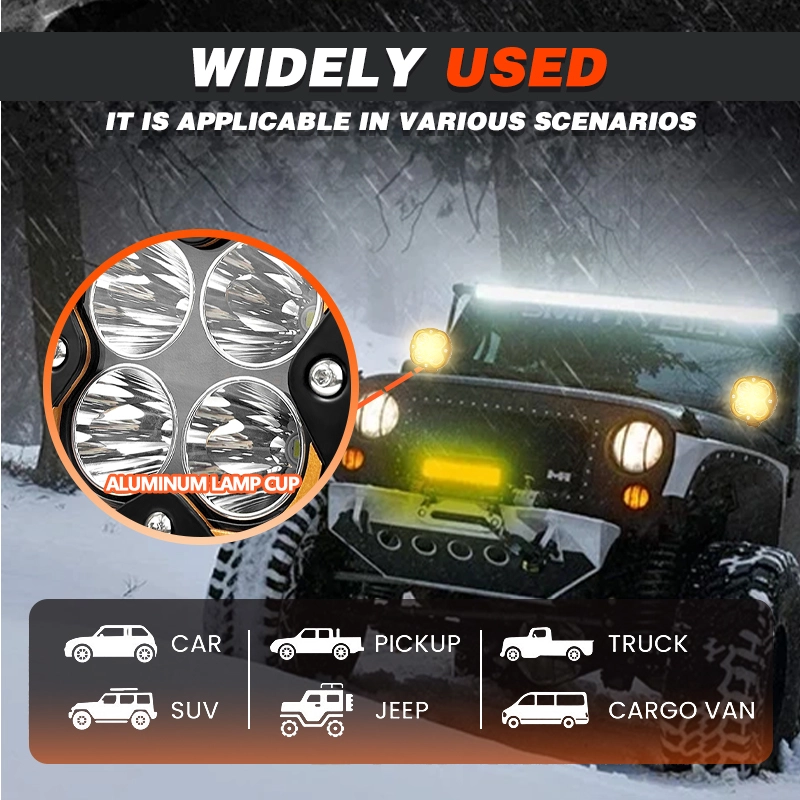
Installation is the part of the qualification that a vendor cannot argue with, because the numbers are fixed. The lamp runs on 12–36V and is designed as auxiliary lighting, so the product page recommends a separate fused, relayed and switched circuit. An RFQ that states this up front removes a whole round of email.
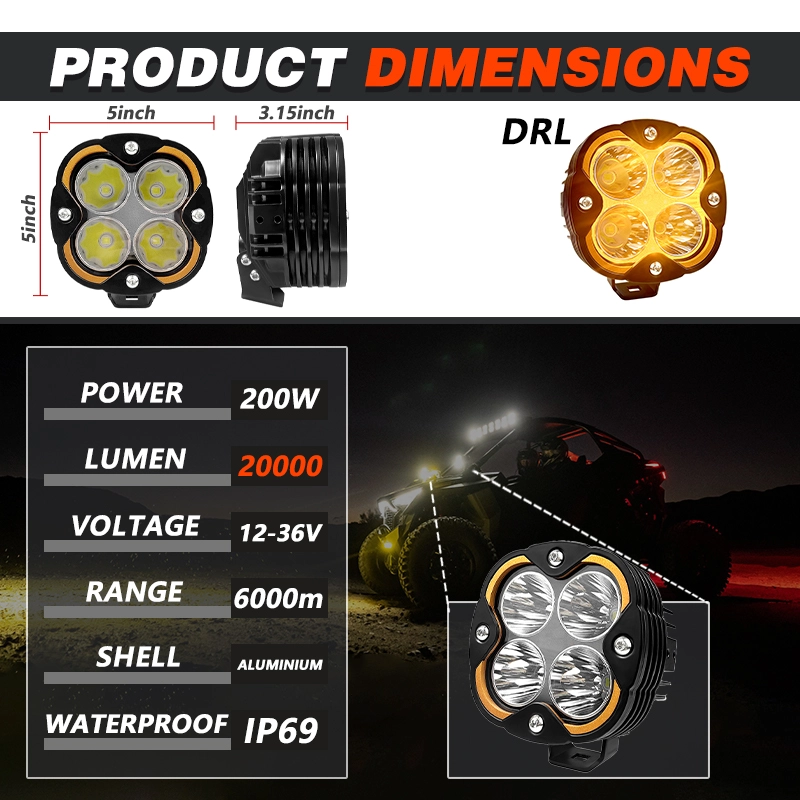
The last stage before you commit volume is the least glamorous: what actually arrives in the box, and what travels with the pallet. Ask for the certificate set as a PDF, ready to move with the shipment, and name your destination market so the certification set, carton labelling and plug or wiring convention can be matched in one pass.
Approve the sample against the production unit on lens, bracket, branding and beam. A private-label program that changes the artwork but not the documentation is a program that will stop at customs.
A vendor can only quote as well as you brief. Include these eight items and most of the back-and-forth disappears before it starts.
Name the destination market in your message so the certification set, carton labelling and plug or wiring convention can be matched, and ask for the certificate PDF to travel with the shipment.
Customize & Get QuoteContact UsOEM/ODM, private-label and bulk program enquiries are welcome. No price or stock status is published on the product page — the quote is the first step.
Keep adjacent product options together for a faster catalog comparison.
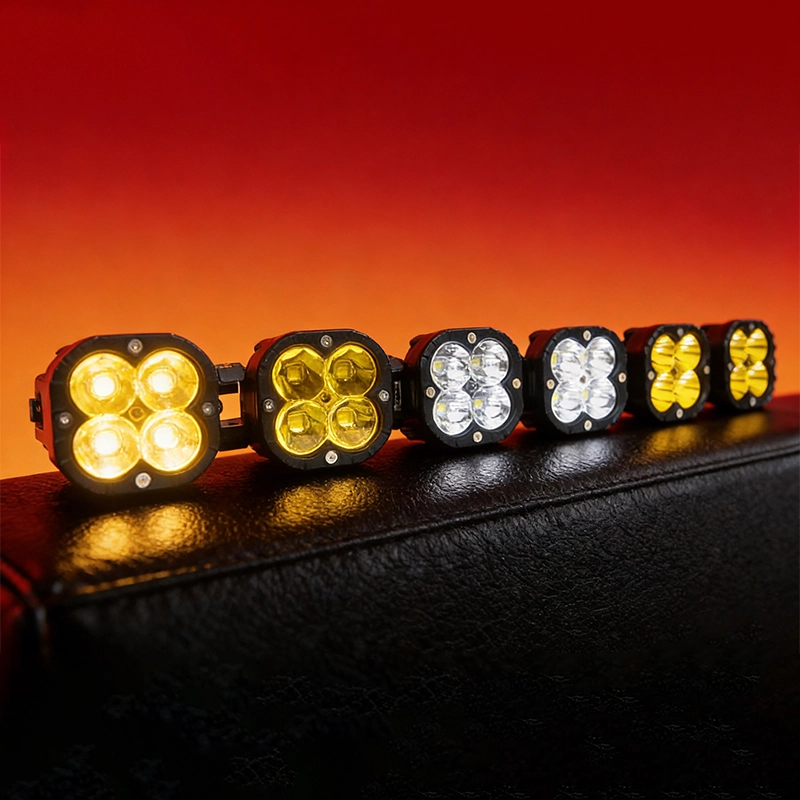
Build a custom led light bar around your vehicle's mounting space, with modular pods, white, yellow lighting, and configurable beam coverage. Ask for a quote.
View product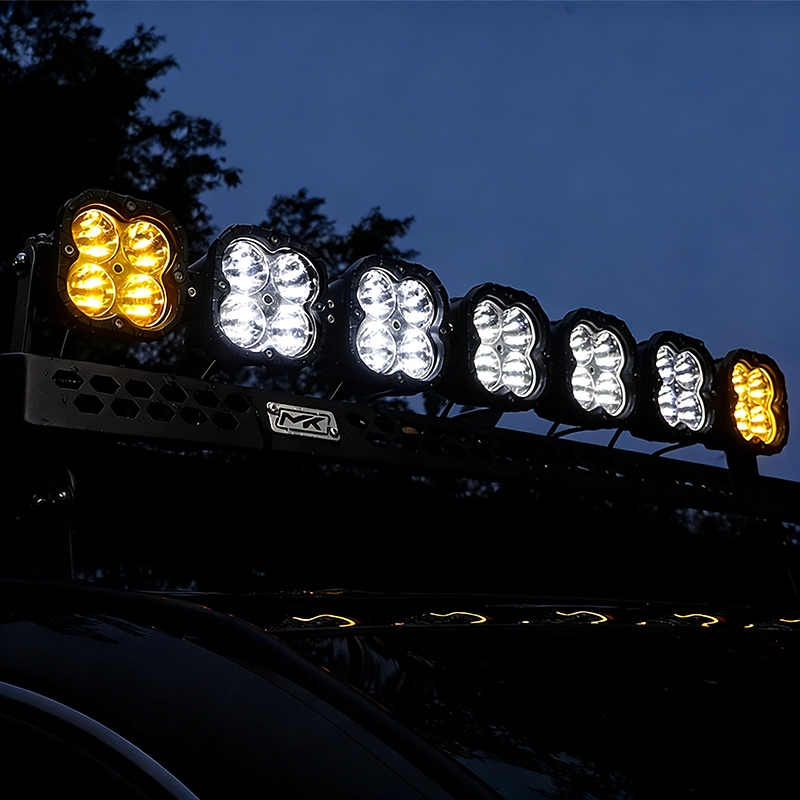
Comparing led light bar manufacturers? JOPOWER offers modular combo bars in three lengths, with configurable optics, white/yellow lighting. Request a quote.
View product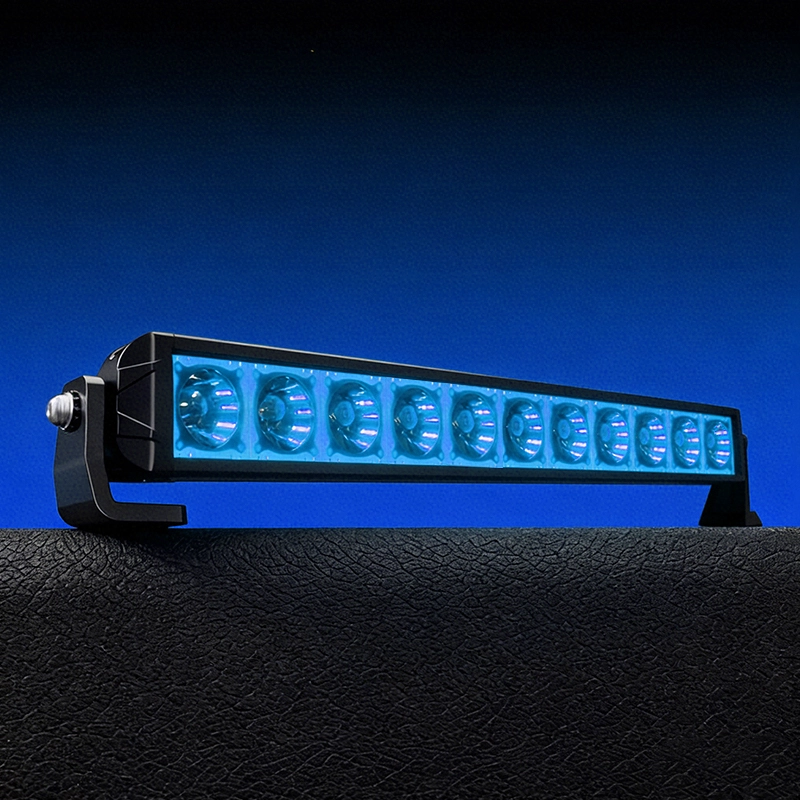
Bring vivid color and practical off-road lighting to your next vehicle build with a custom led light bar from JOPOWER. Send your specifications for a quote.
View productit is a 5-inch auxiliary lamp rated at 200w and 20,000 lumens. it is designed as auxiliary lighting, not as a headlamp, so the product page recommends a separate fused, relayed and switched circuit.
the lamp can be ordered with spot, flood or combo lenses, and four cover colours are available to adapt the light for fog, dust, rain and snow.
the input range is 12–36v. the stable current design is intended to hold brightness as supply voltage moves and to reduce switching noise in vehicle radios and instruments; installation should use a separate fused, relayed and switched circuit.
the build uses an aluminum housing with a finned alloy casing, a copper substrate and aluminum lamp cup in the heat path, a polycarbonate lens, and a stainless steel bracket and fasteners. it is rated ip68 and listed for working temperatures of -40–120℃.
listed applications include off-road transportation, marine navigation, emergency response and outdoor expeditions. vehicle examples include pickups and heavy trucks, 4x4s, suvs and jeeps, cars and crossovers, boats and ribs, atvs and utvs, and site machines.
the compact housing is about 3.15 in deep, and the finned section requires air clearance. check the mounting space and airflow before approving the bracket or installation position.